
How to Check for a Warrant in Twin Valley
No warrant counter exists here, and no online warrant list either. A Twin Valley warrant check therefore moves through three offices, one call at a time. The city office identifies the citation. The district court confirms whether a case was filed and whether a warrant sits on it, while the sheriff takes custody and bond questions. None of the three will read a status back from a first name alone, so bring identifying details.
- Call the Twin Valley city office at 218-584-5254 with the citation number and ask which agency issued it.
- Search MCRO Case Search by name, case number, or citation number, and choose Norman County as the location.
- Open the Register of Actions and read the entries for a failure to appear, a warrant, a recall, or a new setting.
- Call Norman County Court Administration at 218-415-7090 and ask what the record shows and what the judge wants next.
- Call the Norman County Sheriff's Office at 218-784-7114 for surrender, booking, or bond logistics before going anywhere.
Twin Valley's City Directory and Warrants
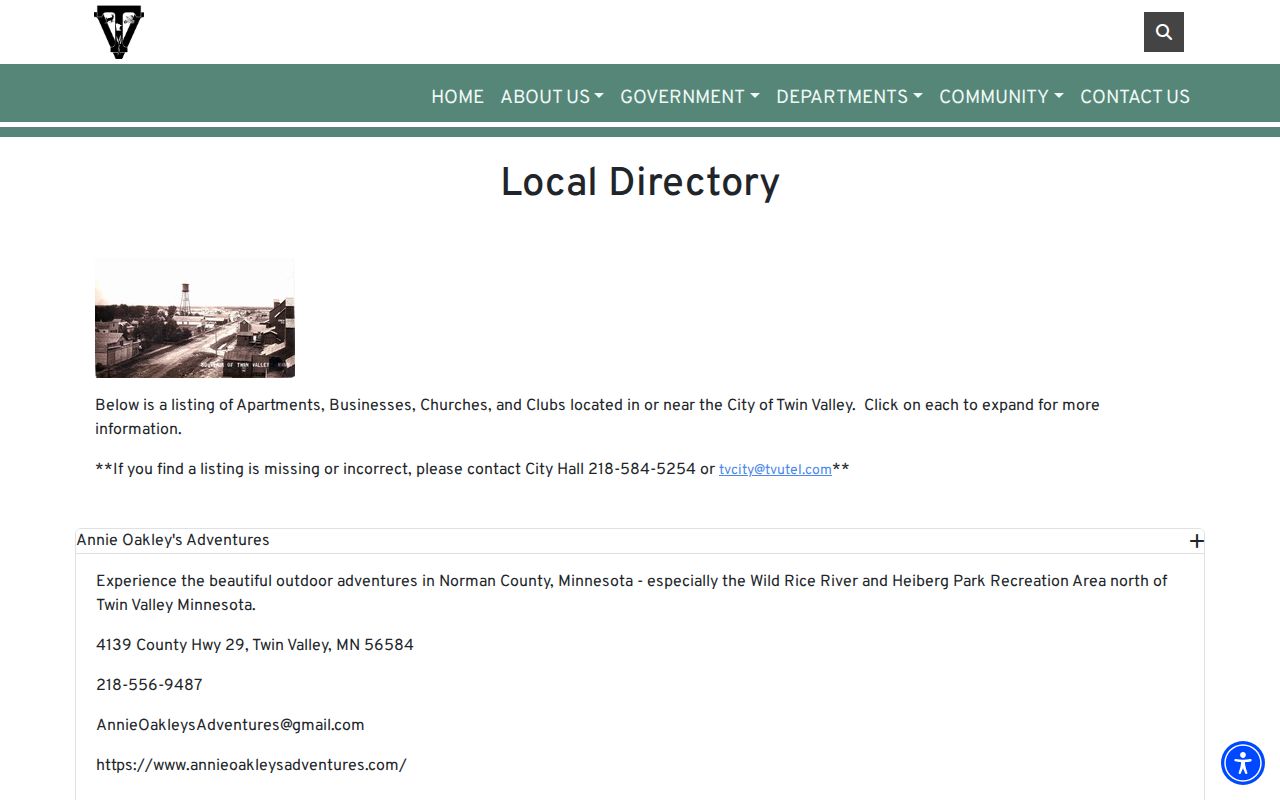
You can reach the city office at 107 Second Street SW, by mail at P.O. Box 307, Twin Valley, MN 56584-0307, by main line at 218-584-5254, or by fax at 218-584-5723. Keep in mind what this office is and is not. It is administration, not law enforcement and not a court. Its daily work is city business and city records, plus routing residents to the right department. On a warrant question, its value is narrow but real: staff can say which agency issued a citation and whether the matter stayed with the city or moved on to the district court. The city's directory page posts the address, phone, and fax a caller needs to start that chain in Twin Valley.
Write down the name of the person who answers in Twin Valley. The next office will ask who sent you.
The Twin Valley Police Department and Municipal Court
Twin Valley has no municipal court of its own and no city police website. The city calls itself the heart of Norman County and publishes notices, a directory, and a payment entry point, yet nothing that searches citations or lists warrants. Its service structure is the small-city kind. Fire and rescue run as city services, and the city office coordinates the rest. Policing in and around Twin Valley goes through county law enforcement, and the court that would issue a warrant over a Twin Valley case is the district court over in Ada.
The Older Twin Valley Police Number
One old number still circulates. A Minnesota Attorney General police directory lists a Twin Valley Police Department line at 218-584-5444, but that listing is dated, and nobody should treat it as a live police number without checking it first. This trips up readers all the time. Someone remembers a city police number, dials it, and lands in an office that stopped handling such questions years ago. For law enforcement, the county sheriff is the countywide contact that stands behind its listing today. Any police number that does not come from the current city directory is a lead, not an answer.
Types of Twin Valley Warrants
Minnesota warrant labels each point to the rule that governs them. A citation and a criminal charge can both end up in the same district court. But they take different roads to Twin Valley's courtroom door.
| Warrant Type | How It Arises | Who Issues It |
|---|---|---|
| Warrant for failure to appear | A missed Twin Valley court date or no response to a city citation | District court judge, on the Form 8 application |
| Release-condition warrant | An alleged violation of conditions set after a Twin Valley release | Judge, on the Form 10 application |
| Arrest warrant | Probable cause shown after an investigation by county officers | District court judge under Rule 3 |
| Search warrant | Probable cause to search a place, vehicle, or device | Judge, on a law enforcement application |
Note: Minnesota labels a court order by what it enforces, so a failure-to-appear warrant and a bench warrant describe the same kind of paper here.
Three Twin Valley Warrant Roles
Three offices touch any Twin Valley warrant question. Each one answers a different piece of it. Mixing them up is the fastest way to lose an afternoon.
| Office | What It Answers | What It Cannot Do |
|---|---|---|
| Twin Valley city office | Who issued a citation and where it was filed | Confirm or recall a court warrant |
| Norman County Court Administration | Whether a case is pending and what the record shows | Issue, cancel, or serve a warrant |
| Norman County Sheriff's Office | Arrest, surrender, booking, and bond logistics | Decide the outcome of a case |
Work down the list in order. The city office narrows the question in Twin Valley, the court answers it, and the sheriff handles everything that follows an arrest.
What a Twin Valley Warrant Record Shows
The warrant is a form. The case around it is a file. A reader usually meets the case first in Minnesota Court Records Online, then hears the warrant details from Court Administration. A Minnesota district court file number leads with the county code. So a Twin Valley matter is easy to spot once the record opens.
| Court and File Number | District court file number with the county code first, in the form 49-CR-25-1234 |
|---|---|
| Defendant | Name, date of birth, and any alias on the case |
| Charge or Offense | The offense and its classification, as charged |
| Trigger | Failure to appear after a citation or summons, or alleged facts supporting a release violation |
| Issuing Authority | Judge or issuing officer, with date and signature |
| Bail and Conditions | Amount of bail and conditions of release, both case specific |
| Status | Active, executed, recalled, returned, or superseded, using the exact case entry |
Handling a Twin Valley Warrant Question
The toughest version of a Twin Valley warrant question starts with a citation and no case number. Work the calls in the order that follows.
- Keep the paper, or photograph it. The citation number and date open every later search.
- Ask the city office which agency wrote it and whether the matter was filed in district court.
- Try the citation number in MCRO before a name search, because pending cases may not appear under a name.
- Call Court Administration when nothing returns, and ask whether a case is pending, restricted, or held elsewhere.
Moved away? Still use the county filter. The case stays with the court where it was filed, not with where you live now. The county page on how a Norman County warrant search works covers the same steps at county scale.
Where Twin Valley Warrants Fit With Norman County
Twin Valley sits inside the Norman County system, not beside it. A city citation or an arrest in town becomes a district court case in Ada. The sheriff then executes whatever warrant follows. Minnesota keeps county warrant information in a state file that law enforcement can see and the public cannot search.
Warrant flow: Twin Valley city citation › Norman County District Court › Norman County Sheriff's Office › Minnesota law enforcement warrant file
That is the division of labor. The city starts the paper, the court owns the case, and the sheriff handles custody. The full county sequence, from search order to records request, is laid out on Norman County warrant records.
Twin Valley Service Pages and Warrants
The city's website offers more than a directory. It posts city notices, a municipal office listing, and a fire and rescue page. Those pages show how a small city like Twin Valley organizes its services. None of them decides a court question. The front door is the city homepage at twinvalleymn.com.
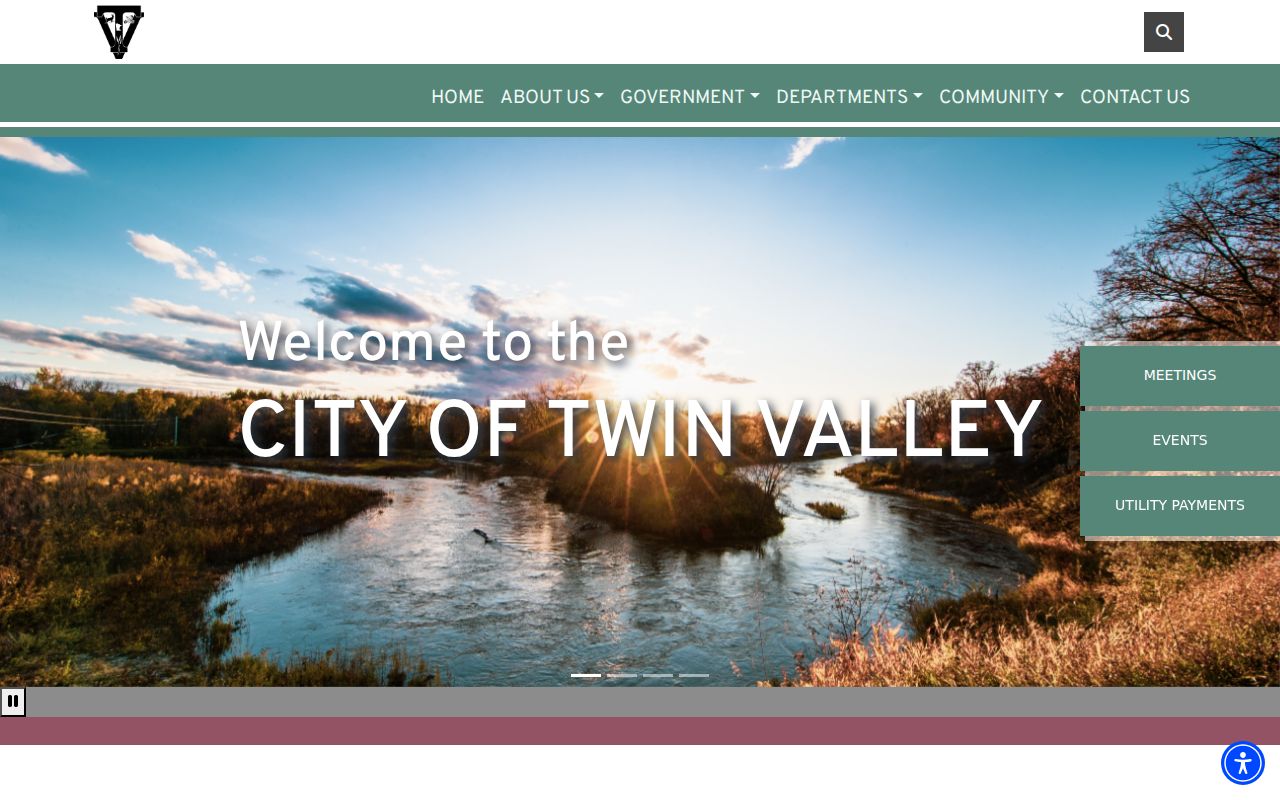
The city of Twin Valley posts its service pages online. A warrant list or citation search is not among them. The fire and rescue page covers emergency response, and a notices page covers city business. Neither one tracks a case file or a citation.
Clearing a Twin Valley Warrant
Paying a fine and clearing a warrant are two different things in Twin Valley. A payment settles a balance, yet the court process can stay open. A recalled warrant can also leave the underlying case running. The city office cannot handle either task. It has no power over a court order, and its payment entry point is not tied to a confirmed case. Court Administration is the office that can answer.
Careful: Ask Court Administration what entry proves the warrant is off the file, and keep the order or receipt.
Public Access to Twin Valley Warrant Records
Minnesota presumes government data is public. A few categories stay closed. Most Twin Valley case records can be inspected, but juvenile matters, sealed documents, and investigative material cannot.
Key Rules:
Minnesota Government Data Practices Act, Chapter 13 gives the public free inspection of public data and allows copying at cost.
Minnesota Public Access Rule 4 lists the court record categories that stay inaccessible or restricted.
Minnesota Statutes 260B.171 sets confidentiality rules for juvenile court and law enforcement records.